Representing Waterloo at Canada-Korea Conference 2026
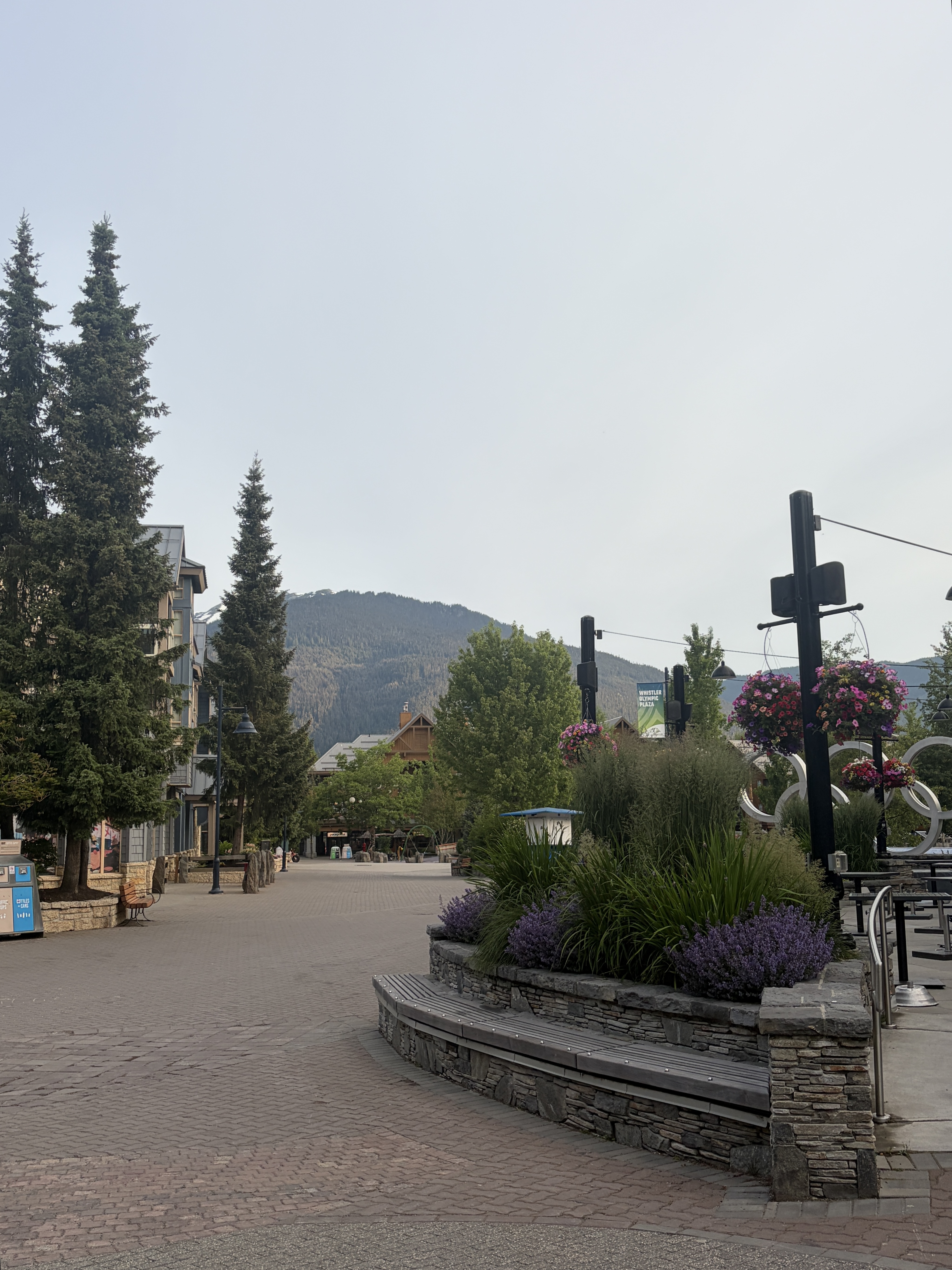
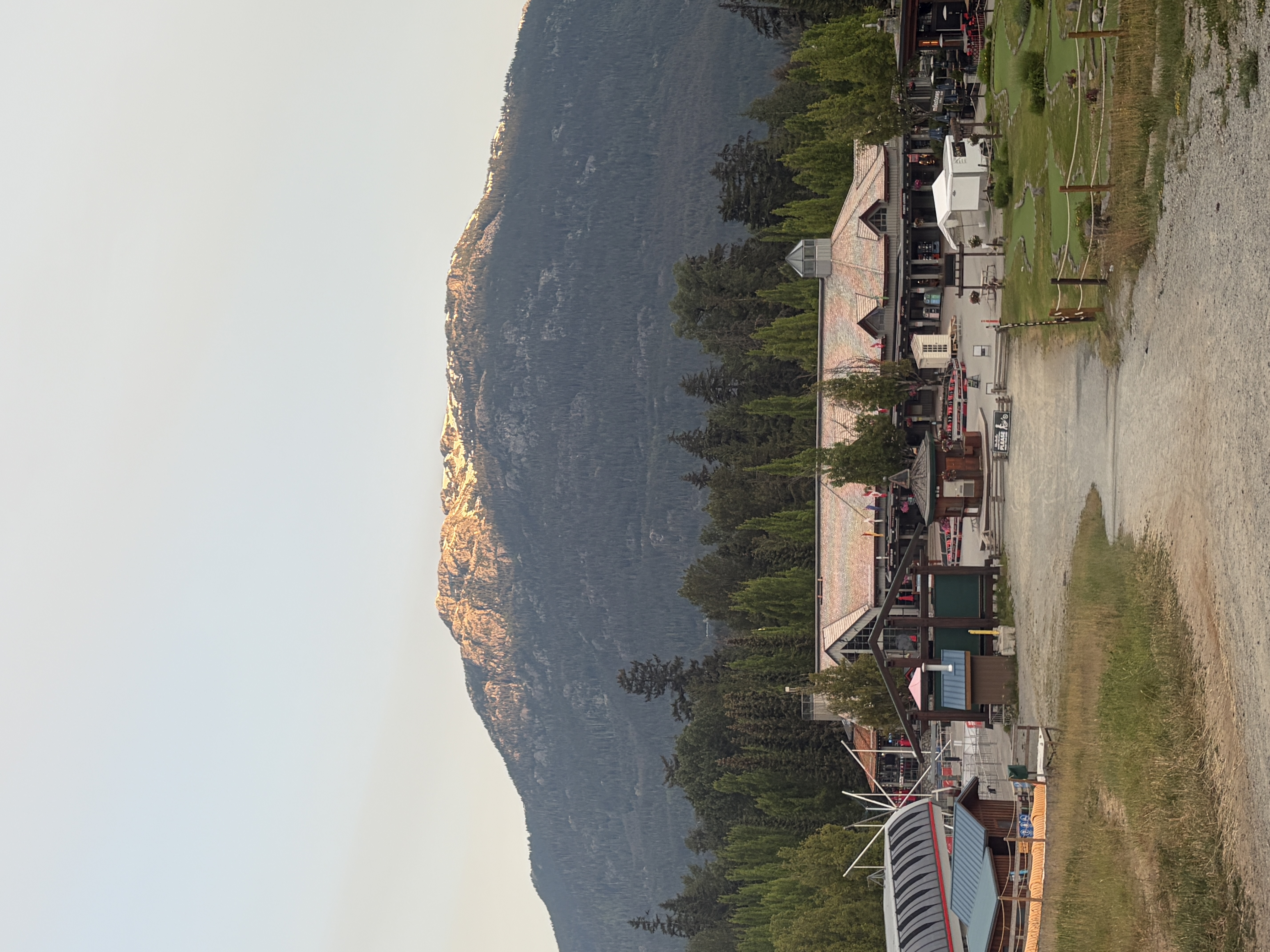
Location: Whistler, BC
Duration: June 21, 2026 – June 25, 2026
Why I attended
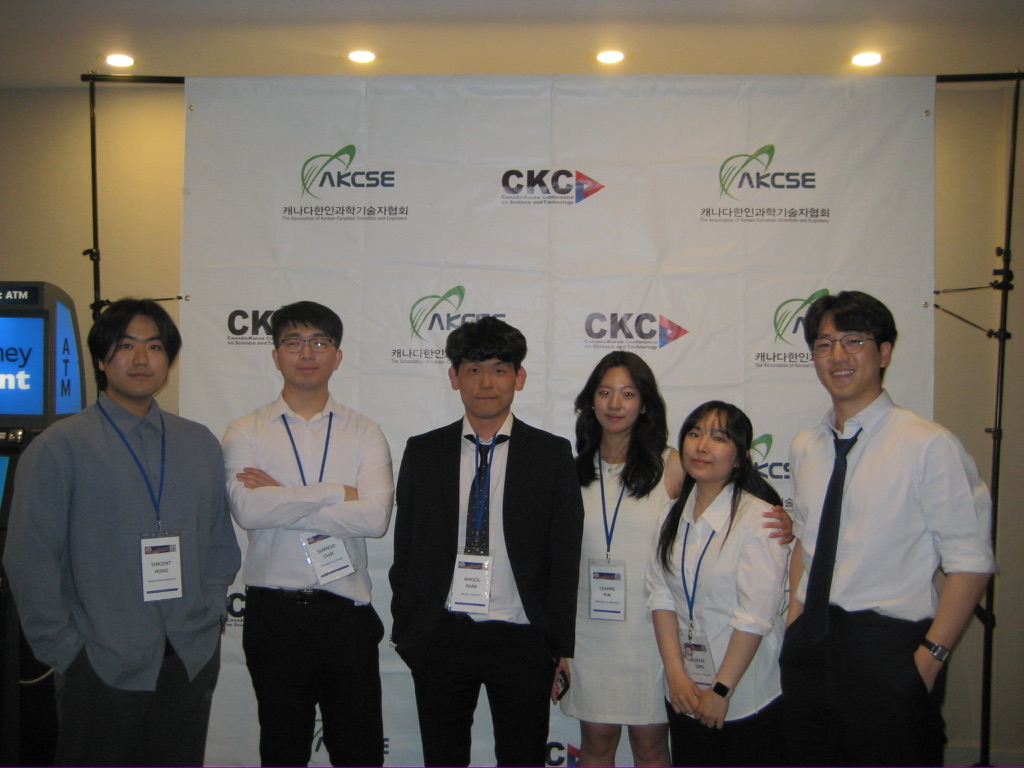
I attended as the Waterloo Chapter President of the Association of Korean-Canadian Scientists and Engineers (AKCSE), under the supervision of Professor Soo Jeon.
Representing Waterloo
Representing Waterloo gave me the opportunity to step beyond campus and connect with the broader Canadian-Korean STEM community. Throughout the conference, I participated in leadership workshops for young scientists and engineers, explored research projects, and attended industry forums with Canadian-Korean organizations, sponsors, government institutions, and leaders—including the National Research Council Canada (NRC) and the Korean Federation of Science and Technology Societies (KOFST).
The Experience
Day 1
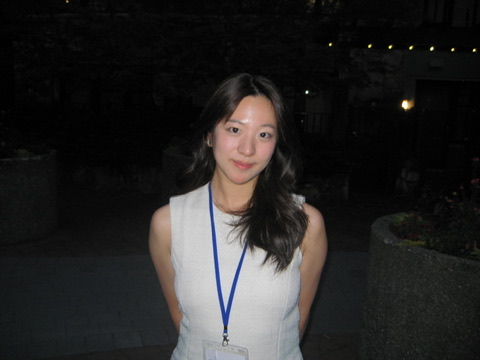
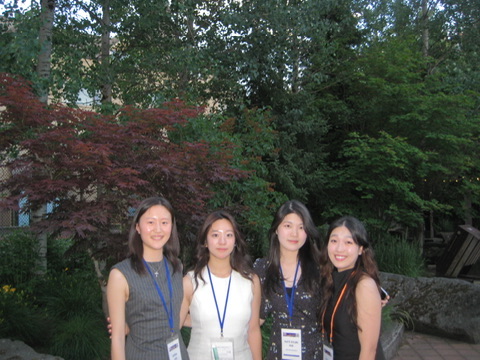
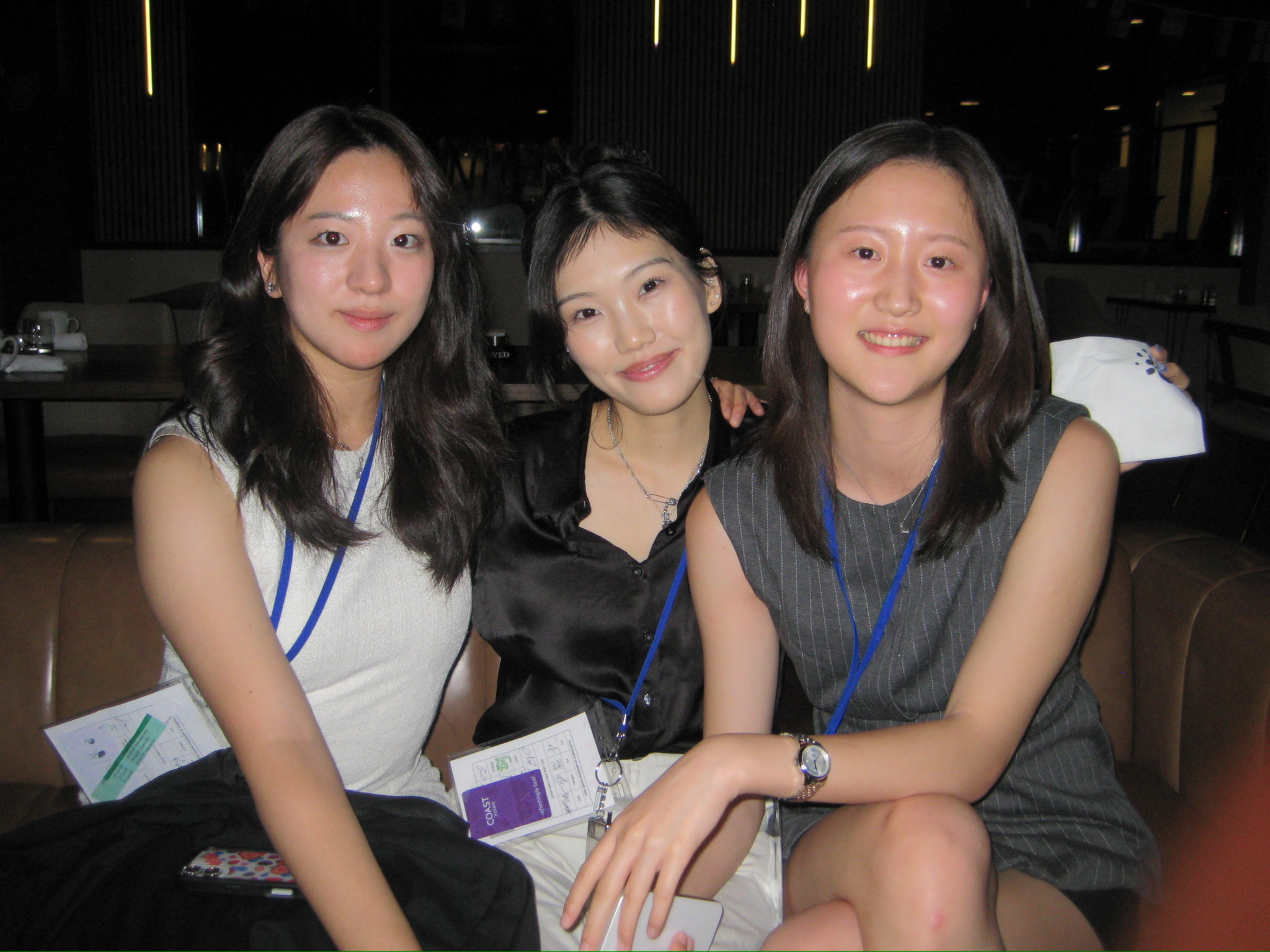
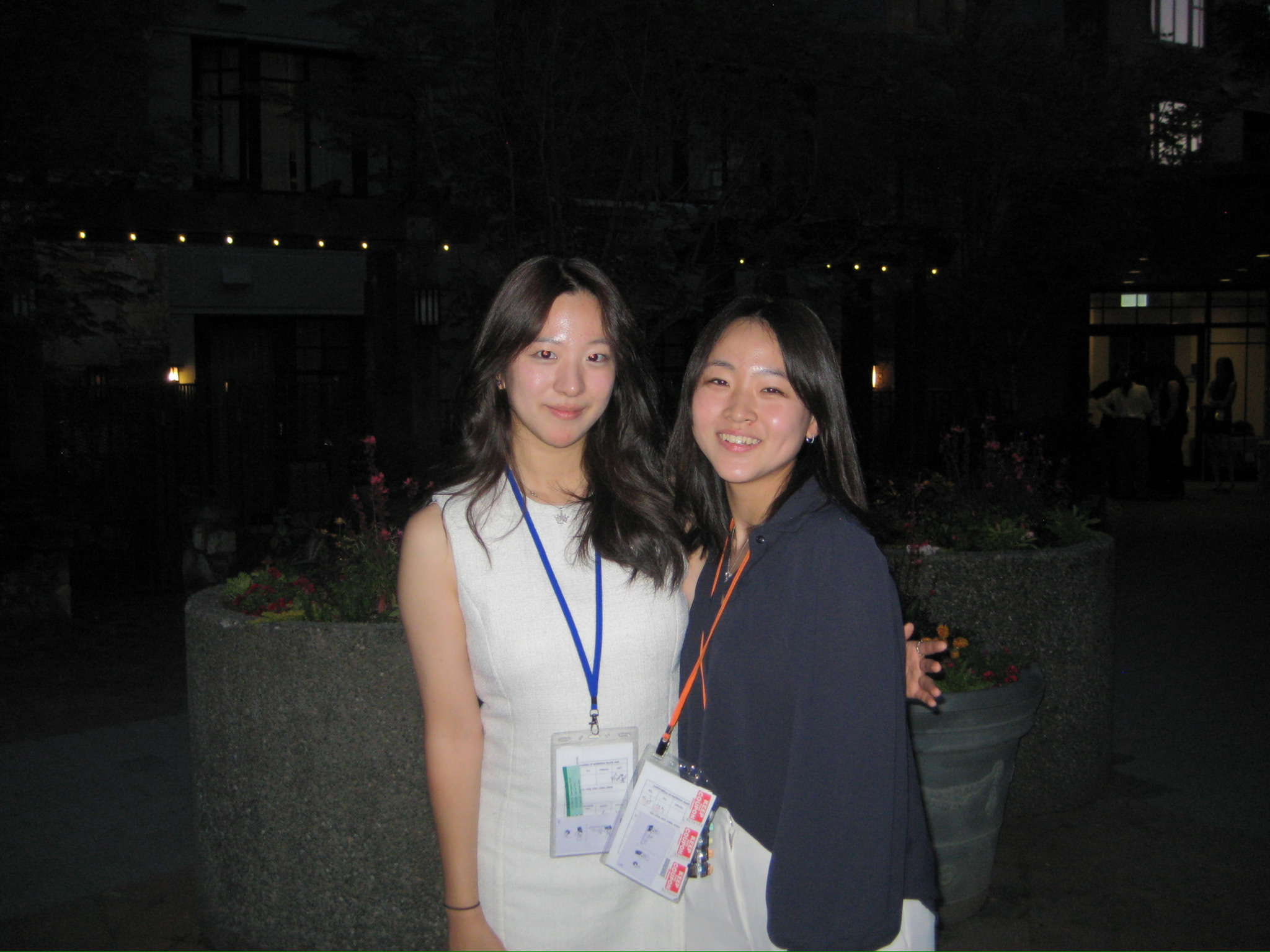
After arriving in Whistler, I joined the YGF/YPF Alumni Workshop, where young scientists and engineers had the opportunity to reconnect, exchange experiences, and discuss their paths in STEM. The day ended with the Welcome Reception, which was my first chance to meet other delegates, chapter representatives, researchers, and professionals attending CKC 2026.
Day 2
The second day officially kicked off with the Opening Ceremony, bringing together researchers, industry professionals, students, government representatives, and leaders from across Canada and Korea.
I then attended the Science, Technology & Innovation (STI) Forum, followed by the Canada–Korea–Europe Trilateral Collaboration Forum, which explored opportunities for collaboration across research, technology, and innovation between the three regions.
During the Canada–Korea–Europe Trilateral Collaboration Forum, I had the opportunity to hear from a representative of the National Research Council Canada (NRC). One line from the speech particularly stayed with me:
“Research is the leadership to everything.”
It made me reflect on how research extends far beyond laboratories and academic publications. it can serve as the foundation for technological innovation, policy, industry, and even international collaboration. As an engineering student and someone involved in the STEM community, this was one of the ideas from the conference that I found myself thinking about long after the session ended.
One of my highlights of the day was the YGP Project Showcase, where I had the opportunity to see research projects presented by graduate students and researchers working across different fields. The projects spanned areas including artificial intelligence, medicine, and hardware engineering, giving me a glimpse into the breadth of research being conducted within the Canadian-Korean scientific community.
Day 3
Day 3 was one of the most technically interesting days of the conference for me, with sessions spanning Arctic research, energy, artificial intelligence, and sustainability.
I started the day with the Arctic Plenary Forum, followed by the Energy & Battery Workshop, where I learned about ongoing developments and challenges in energy technologies.
The highlight for me was the AI Forum, particularly because several of the topics closely aligned with my own interests in engineering and technology. I was especially interested in discussions around:
- Harness engineering: the discipline of building the execution environment, tools, and feedback loops that wrap around an AI model to turn it into a reliable, autonomous agent
- Multi-agent engineering: an architectural approach where multiple specialized artificial intelligence agents collaborate in a structured network or hierarchy to perform complex tasks
- Occluded vision image processing: how artificial intelligence and computer vision systems detect, track, and interpret objects when parts of them are hidden or blocked by other objects, structures, or environmental elements
Hearing researchers and industry professionals discuss these areas gave me a different perspective on how AI systems are being developed and applied beyond the more familiar applications of generative AI.
I also attended the NextGen Research Forum, which showcased research focused on sustainability and the future of responsible innovation. Seeing how researchers are approaching sustainability through different disciplines reinforced how interdisciplinary the challenges we face today really are.
Day 4
Day 4 continued with another AI Forum, where I had the opportunity to dive deeper into emerging developments in artificial intelligence. I also attended the Marine Idea Competition, which showcased innovative ideas and research addressing challenges in the marine sector.
One of the most memorable sessions for me was the Women in Software Engineering panel. During the discussion, I asked a question that has been on my mind as a software engineering student:
“In a world where AI agents can now build software projects for us, and projects may no longer accurately represent our skills as software engineers, how should we prepare ourselves for the job market?”
The panelists' answer really resonated with me. Rather than focusing solely on our ability to write code, they emphasized the importance of developing systems thinking—being able to understand, design, and analyze systems at a larger scale. They also highlighted the importance of being able to identify real-world problems, brainstorm possible software solutions, and understand why a particular solution should exist in the first place.
This was especially meaningful to me because it reframed how I think about the role of software engineers in an increasingly AI-driven industry. As AI becomes better at implementing solutions, our ability to define the right problems and design the right systems may become even more important.
The day concluded with the Farewell Banquet and Award Ceremony, celebrating researchers and members who made meaningful contributions to CKC 2026 and the broader AKCSE community. It was a great opportunity to recognize the work and dedication of people who are helping build this community.
Day 5
The final day focused on a Leadership Workshop, which was open to chapter representatives from across Canada.
As a chapter representative, I had the opportunity to participate in discussions about how we can strengthen engagement within the Korean-Canadian scientist and engineer community. I also proposed new event ideas and initiatives aimed at increasing student involvement and creating more opportunities for members to connect, learn, and collaborate.
This was particularly valuable because I wasn't just reflecting on what I had learned throughout the conference—I was thinking about how I could bring those ideas back to Waterloo and apply them within our own chapter.
What I learned
- Research is the foundation of leadership and innovation. A line from the Canada–Korea–Europe Trilateral Collaboration Forum that stayed with me was: “Research is the leadership to everything.” It reminded me that research can drive not only technological innovation, but also industry, policy, and international collaboration.
- The future of software engineering is bigger than writing code. From the Women in Software Engineering panel, I learned the importance of systems thinking—understanding how to design, analyze, and connect complex systems rather than focusing solely on implementation.
- AI is changing what it means to be a software engineer. Discussions around multi-agent engineering, harness engineering, and occluded vision showed me how quickly the field is evolving. As AI takes on more of the implementation process, engineers will increasingly need to excel at defining problems, evaluating solutions, and designing systems that address real-world needs.
- Interdisciplinary research creates new possibilities. From AI and medicine to hardware, batteries, Arctic research, marine technology, and sustainability, the conference showed me how many different fields are contributing to the future of science and engineering.
- Leadership means bringing ideas back to your community. As the Waterloo chapter representative, the leadership workshop encouraged me to think beyond my own experience and consider new events and initiatives that could increase engagement within the Korean-Canadian STEM community at Waterloo.
- The Korean-Canadian STEM community is much bigger than Waterloo. Meeting researchers, students, industry professionals, government representatives, and chapter leaders from across Canada gave me a broader perspective on the community I am part of—and the opportunities that can come from connecting with it.
Photos